
+28 years
researching natural talent
+20 countries
represented

+9M
individuals assessed
+7300
companies who have trusted our science
Let’s discuss how you can unlock the full potential of your team
Contact us for a personal consultation and discover how our psychometric assessments and in-depth tools can transform your talent selection and development processes.
Decisions are often based on superficial information,
overlooking key invisible aspects of talent.
Talent decisions continue to be made with insufficient information

IMPROVE PRODUCTIVITY
At Psigma, we understand that the real difference lies in the depth of talent:
The clarity with which a person understands, manages, and mobilizes their capabilities, along with the invisible factors that can either enhance or hinder them.
IMPROVE RETENTION
At Psigma, we understand that retention does not depend solely on satisfaction, but on the deep alignment between the person, the role, and the organization. When talent connects with its purpose and environment, turnover decreases and team stability strengthens.

PROTECTION
At Psigma, we know that every talent decision impacts your organization's reputation, we identify invisible risks and critical behavioral factors that help protect your brand and prevent negative impacts.


AN IN-DEPTH SCIENCE
APPLIED TO TALENT
Our model enables the identification of not only capabilities, but also hidden dynamics that influence decision-making, adaptation, and outcomes.
In doing so, we transform information into actionable understanding to enhance the development and productivity of individuals and organizations.
Click on the icons to explore the components of our evaluation model.
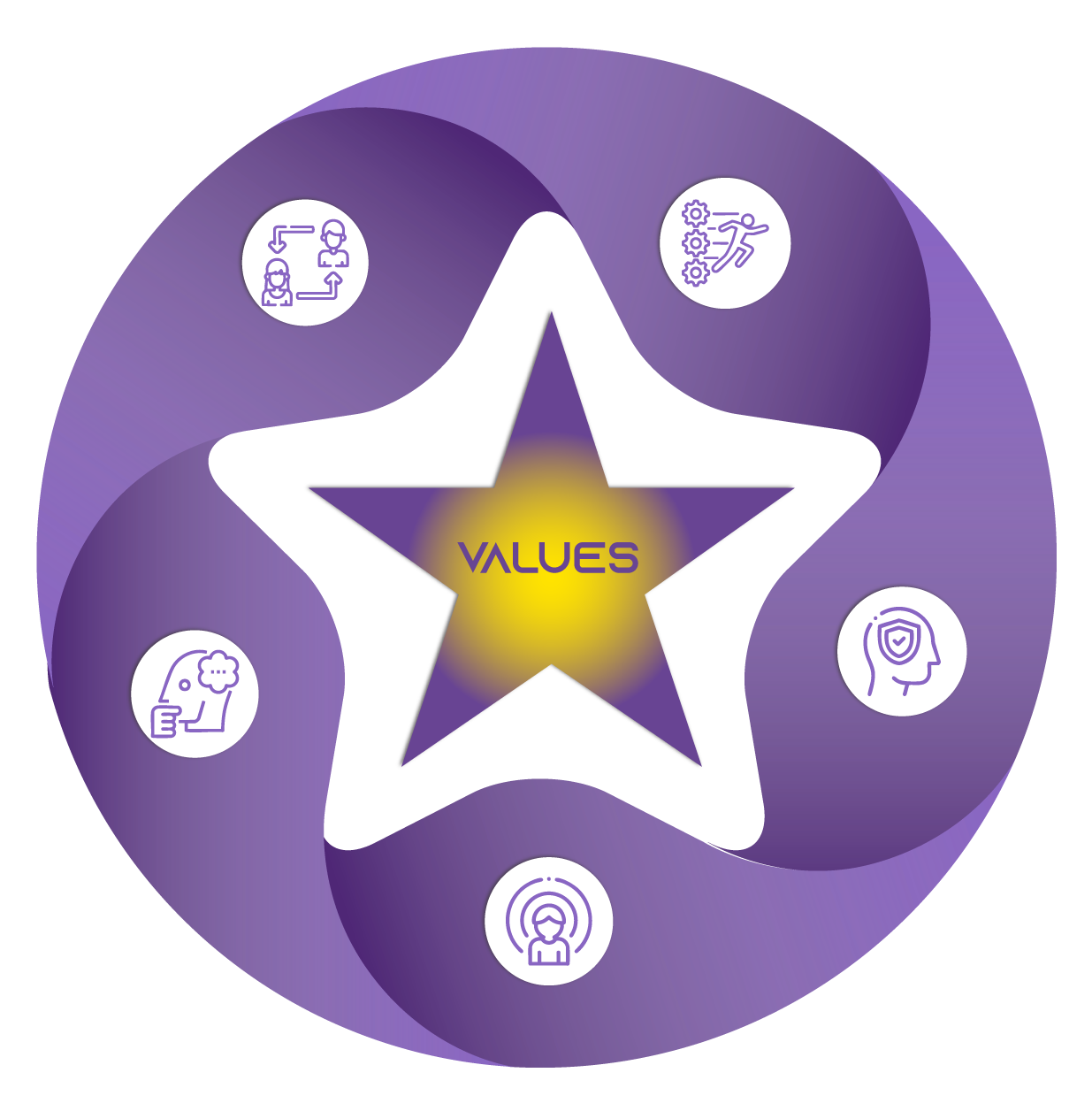
- How a person connects, influences, and builds trust in their interactions.
- Relational patterns that enhance collaboration and uncover dynamics that may limit their impact on others.
- How a person performs, prioritizes, and responds to the demands of their environment.
- Patterns that drive results and reveal behaviors that may affect effectiveness under pressure.
- Responses that emerge under pressure.
- Self-protection mechanisms a person activates to sustain themselves, and reveal when these support stability or become Derailers that affect their performance.
- How a person manages their emotions and energy at work.
- Emotional responses that facilitate adaptation and reveal factors that may intensify reactions or lead to burnout.
- How a person processes information, learns, and makes decisions.
- Thinking styles that enhance problem-solving and reveal biases that may limit effectiveness.
RELATE (+)
How a person connects, influences, and builds trust in their interactions.
Relational patterns that enhance collaboration and uncovers dynamics that may limit their impact on others.
ACT (+)
How a person performs, prioritizes, and responds to the demands of their environment.
Patterns that drive results and reveals behaviors that may affect effectiveness under pressure.
FEEL (+)
How a person manages their emotions and energy at work.
Emotional responses that facilitate adaptation and reveals factors that may intensify reactions or lead to burnout.
THINK (+)
How a person processes information, learns, and makes decisions.
Thinking styles that enhance problem-solving and reveals biases that may limit effectiveness.
SELF-PROTECTION (+)
The responses that emerge under pressure.
It identifies the self-protection mechanisms a person activates to sustain themselves, and reveals when these support stability or become Derailers that affect their performance.
OUR CLIENTS